As the darker evenings creep in and the temperatures begin to dip, most of us start reaching for the thermostat. After months of little use over the summer, your boiler suddenly becomes the most essential appliance in your home. But switching it on only to find it’s not firing up, or worse, breaking down completely, can quickly turn into an expensive and stressful problem.
That’s why testing your boiler before the cold weather sets in is one task we always recommend.
Why a Pre-Winter Boiler Test Matters
During spring and summer, boilers often lie dormant for weeks or even months at a time. While that might save on gas bills, it can also allow small issues to develop unnoticed. For example, seals may dry out, components can seize, or the pressure may drop without you realising.
By running your boiler and giving it a proper check before winter, you’ll:
- Spot problems early, when they’re usually quicker and cheaper to fix.
- Avoid the sudden rush of emergency callouts when cold snaps hit.
- Ensure your heating system is ready to keep your home comfortable all winter long.
Think of it as giving your boiler a test drive, as you wouldn’t wait until a long road trip to find out if your car’s brakes were working.
How To Test Your Boiler At Home
You don’t need to be an expert to give your boiler a quick trial run. A simple test can highlight whether it’s working as it should, and whether it’s time to call in a Gas Safe heating engineer for servicing or repairs.
1. Turn On The Heating Early
Even if you don’t need the heat just yet, switch your heating on for an hour or so. Listen for any unusual noises such as banging, gurgling, or whistling. Radiators should begin warming evenly, but if not, there may be trapped air or circulation issues.
2. Check The Boiler Pressure
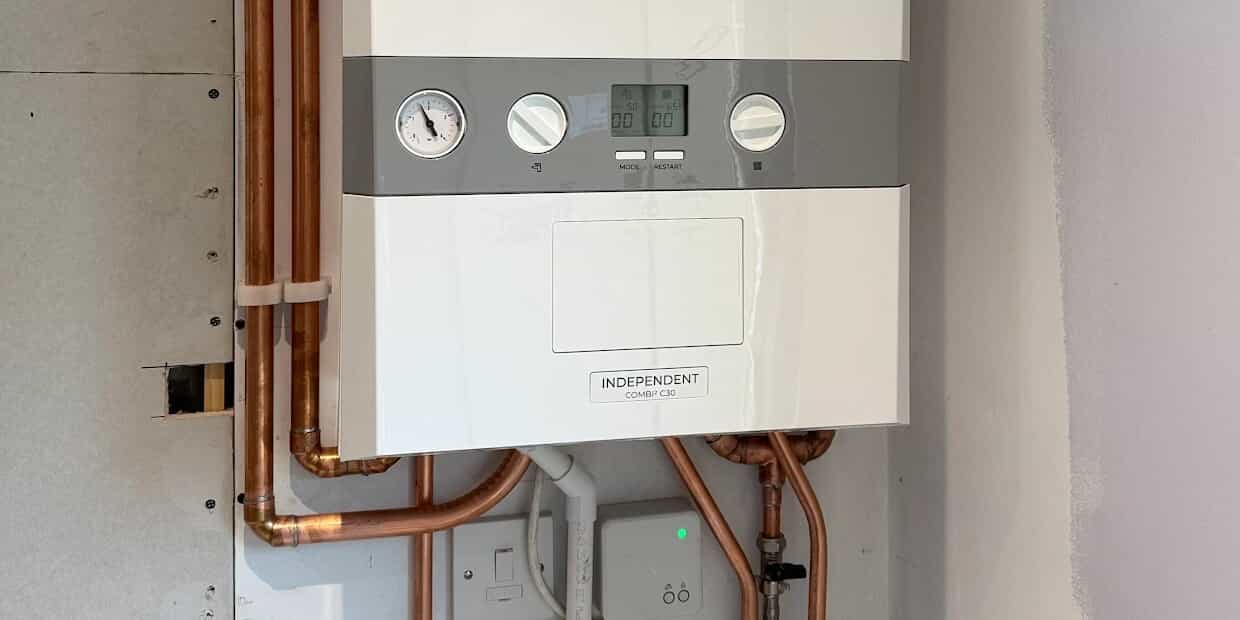
Most modern boilers have a pressure gauge on the front. Ideally, this should sit between 1 and 2 bar. Too low and your system may struggle; too high and it could indicate another problem.
3. Look For Warning Lights or Error Codes
If your boiler has a digital display, take note of any error codes. These can be useful in diagnosing potential faults before they escalate.
4. Inspect For Leaks or Dampness
Check around the boiler and nearby pipework for signs of water. Even a small leak can reduce efficiency and cause long-term damage.
5. Test The Hot Water
Run your taps and shower to ensure hot water is consistent and reaching the right temperature. Fluctuating temperatures often point to boiler or thermostat issues.
The Benefits of Getting Your Boiler Professionally Serviced
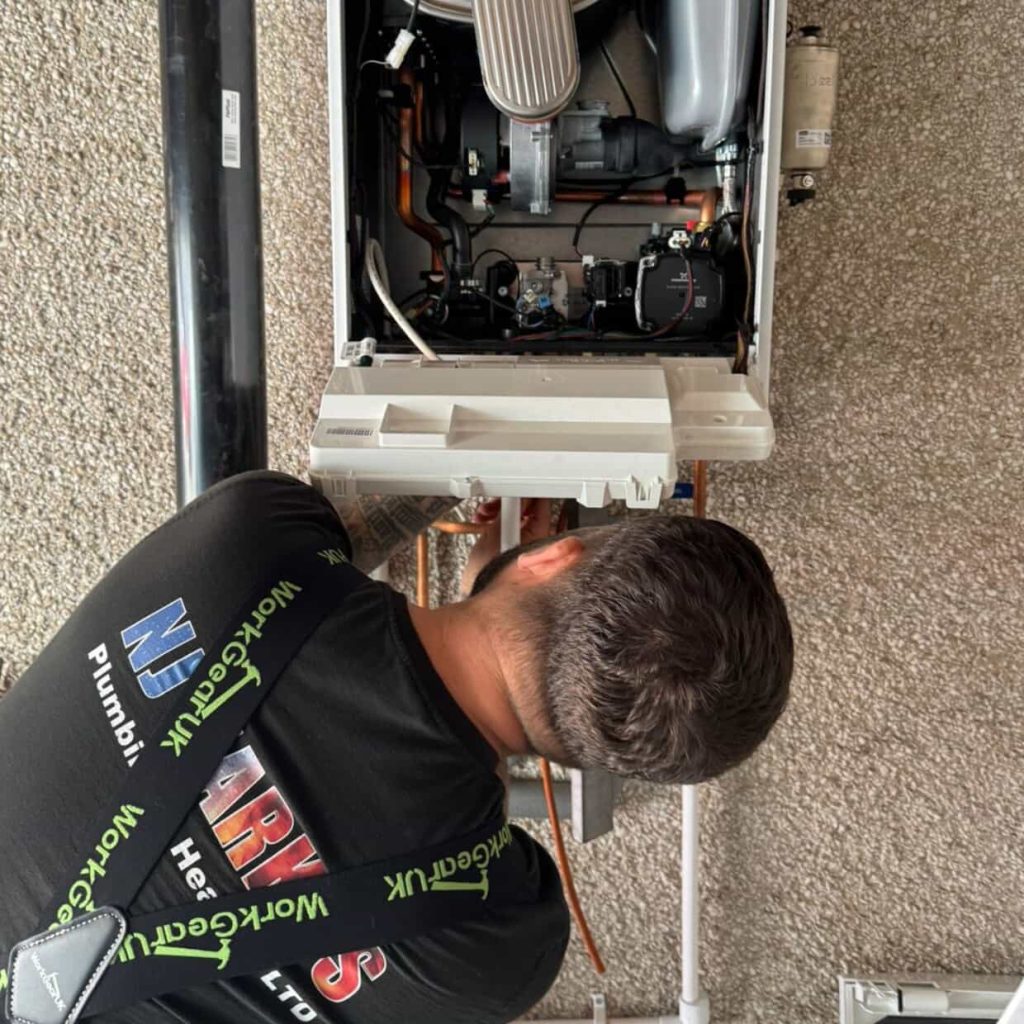
While a basic at-home test is a great start, it’s not a replacement for a professional boiler service. A Gas Safe engineer can carry out a thorough inspection, including:
- Checking the flue for blockages or leaks.
- Cleaning key components to improve efficiency.
- Ensuring safety features are working correctly.
- Identifying worn or failing parts before they cause a breakdown.
Booking a service before winter doesn’t just reduce the risk of failure, it can also save money on your energy bills by keeping your boiler running at peak efficiency.
Why Timing Is So Important
Many homeowners wait until the first really cold night to switch on their heating, only to discover a problem. By then, plumbers across Cardiff are inundated with emergency calls, and waiting times for repairs can be much longer.
Testing your boiler now, while the weather is still relatively mild, gives you plenty of time to sort out any issues without the panic. It also means you won’t be left without heating and hot water when you need it most.
Signs You Shouldn’t Ignore
Even if your boiler seems to work during your test run, there are some warning signs worth paying attention to:
- Unusual noises: Knocking, clanking, or whistling should always be checked.
- Inconsistent heating: If radiators take too long to warm or hot water runs cold, something isn’t right.
- Frequent pressure drops: Constantly topping up your system usually points to a leak.
- Pilot light issues: On older boilers, a yellow or flickering flame may indicate incomplete combustion.
Catching these signs early prevents minor faults from turning into costly breakdowns.
The Safety Aspect
It’s also worth remembering that boiler testing isn’t just about comfort but also safety too. Boilers that aren’t properly maintained can pose a risk of carbon monoxide leaks, which are difficult to detect without the right equipment. Having your boiler checked and serviced by a professional gives you peace of mind that your home is safe.
Preparing Your Whole Heating System
While you’re testing your boiler, it’s a good opportunity to check the rest of your heating system too. Bleed your radiators to remove trapped air, check your thermostat is responsive, and if you have a programmable timer, set it up ready for the colder months. A few small steps now can make your whole system run more smoothly when you need it most.
Final Thoughts
Your boiler is the heart of your home’s heating system, and winter is when you rely on it most. Giving it a test run before the cold weather sets in helps to highlight problems early, saves money on emergency repairs, and ensures your family stays warm when temperatures drop.
At NJ Harkus, we provide boiler servicing, repairs, and installations across Cardiff. If you’d like to make sure your boiler is ready for winter, our Gas Safe-registered engineers are here to help.
Contact us today to book a boiler service or arrange a call-out and enjoy peace of mind knowing your heating is in safe hands this winter.
